 Skip to content

How to Make Your Chili Harvest Last All Year
At TNT Peppers, we like to say that peppers are too good to waste. Whether you’re a die-hard chilihead or just starting to explore the

By TNT Peppers
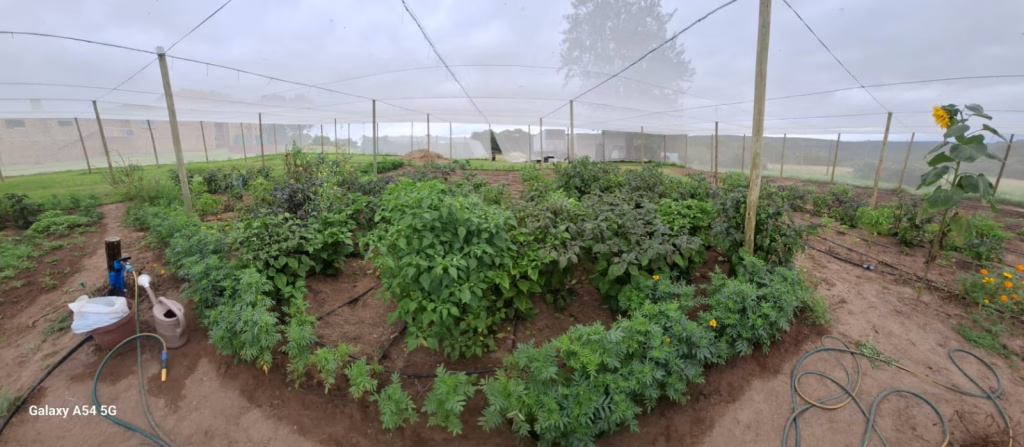
As the temperatures drop and the days grow shorter, it’s time for pepper growers to shift gears and start preparing for winter. Whether you’re growing fiery superhot’s or sweet bells, a little prep now will go a long way in protecting your crop, preserving your hard work, and setting yourself up for a strong spring comeback.
Here are our top winter prep tips straight from the field:
Peppers are warm-weather crops that hate frost. If you’re in a frost-prone region, your outdoor plants are at serious risk without proper care. Knowing your local frost date is critical for timing your preparation.
❄️ Pro tip: Many chili plants (especially rare or superhot varieties) are perennials and can survive multiple seasons if protected correctly.
Before overwintering, prune your plants back to about 1/3 of their size. Remove any fruit, diseased leaves, or spindly branches. This helps the plant conserve energy and stay healthy in dormancy.
Dig up your best-producing or rare varieties and transfer them into pots. Place them in a sunny windowsill, greenhouse, or even a grow tent indoors. With less light, they may slow down or appear dormant—but they’re just conserving energy.
🌞 Grow light bonus: Using inexpensive LED grow lights can keep your overwintered peppers healthier and may even keep them mildly productive.
For those you can’t bring in, add a thick layer of mulch (straw, dry leaves, or compost) around the base of the plants. Use row covers or frost blankets to shield them from cold nights. This won’t guarantee survival, but it improves your chances.
Reduce watering frequency during winter. The plants need much less moisture, and soggy roots in cold weather can lead to rot. Water only when the topsoil feels dry to the touch.
Winter is the perfect time to plan next season’s strategy. Save seeds from your best fruits, prepare seed trays, and dream up your next pepper patch. A little planning now means a faster, more productive spring.
Taking these steps now not only protects your plants, but also saves time, seeds, and energy when it’s time to grow again. Remember, some of the best peppers we’ve ever harvested were from overwintered plants with strong roots and a head start.
Stay warm and stay spicy,
🌶️ The TNT Peppers Team
At TNT Peppers, we like to say that peppers are too good to waste. Whether you’re a die-hard chilihead or just starting to explore the

Why Fermenting Your Peppers at Home is a Game Change If you’ve ever enjoyed a tangy, complex hot sauce or a chili with a deep,